High-Precision Technologies
Applying the right specialised process to assemble your product is critical to its performance and overall quality.
- CRITICAL ASSEMBLY PROCESSES
Expert Technologies
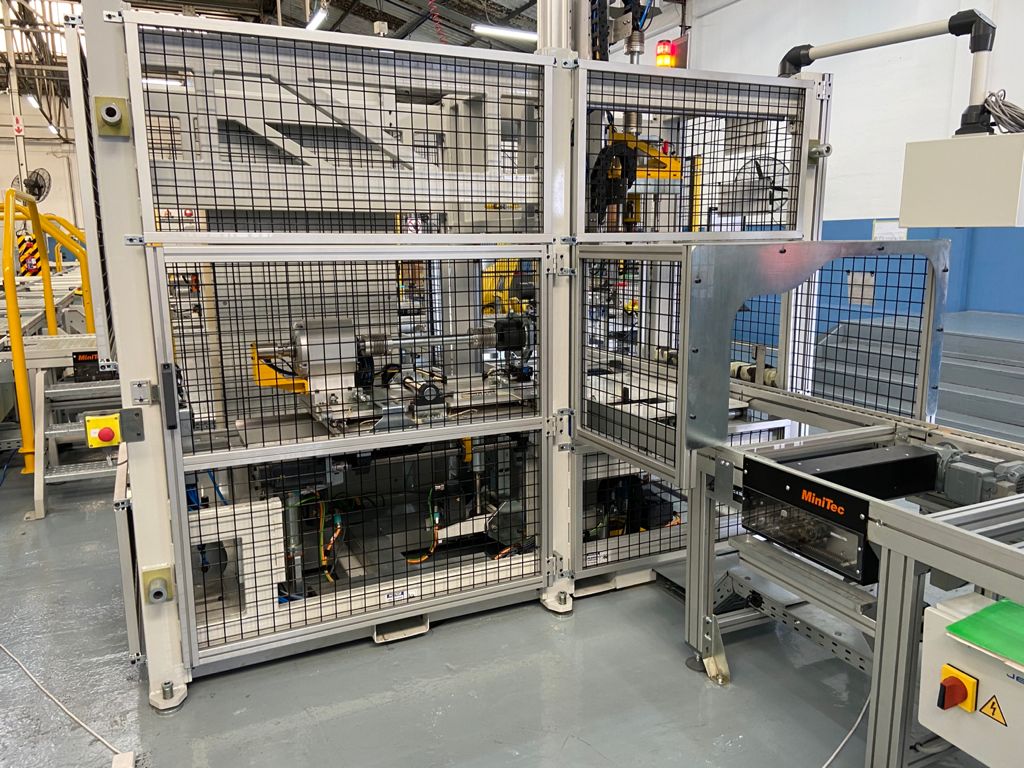
Jendamark’s assembly systems feature a range of high-precision technologies.
Pressing
Whether you require small or large-scale precision pressing operations, our team delivers reliable, efficient solutions tailored to your specific needs, including monitoring force and displacement, and implementing specialised press force strategies.
Specialised pressing methods include:
- Manual arbour pressing
- Hydraulic pressing
- Servo pressing
- Hydro pneumatic pressing
For a wide range of components:
- Studs
- Tubes
- Bearings
- Pins
- Seals
- Dowels
- Shafts
- Rings
Tightening
Our precision tightening solutions ensure optimal performance and safety, using methods such as:
- Straight
- Torque
- Angle
- Yield tightening
Applications:
- Axle assemblies
Precise bolt tightening using synchronised yield methods - Ring gears
Accurate torque control for secure mounting - Engine mountings
Reliable tightening to prevent vibration and noise - Head and diff covers
Consistent sealing and performance - Ring covers
Secure attachment for critical components - Axle bolts
Consistent and controlled tightening for safety
We also offer pre-torque tightening and automatic tightening solutions to streamline your production processes and improve efficiency.
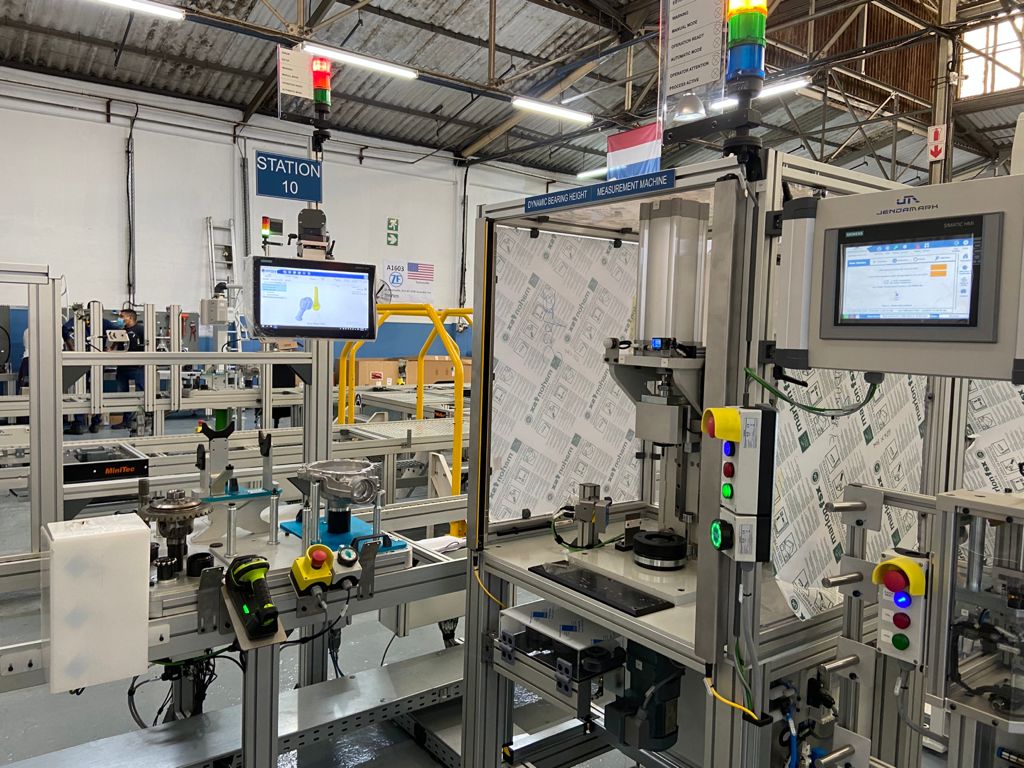
Gauging and measurement
Overview
Overview:
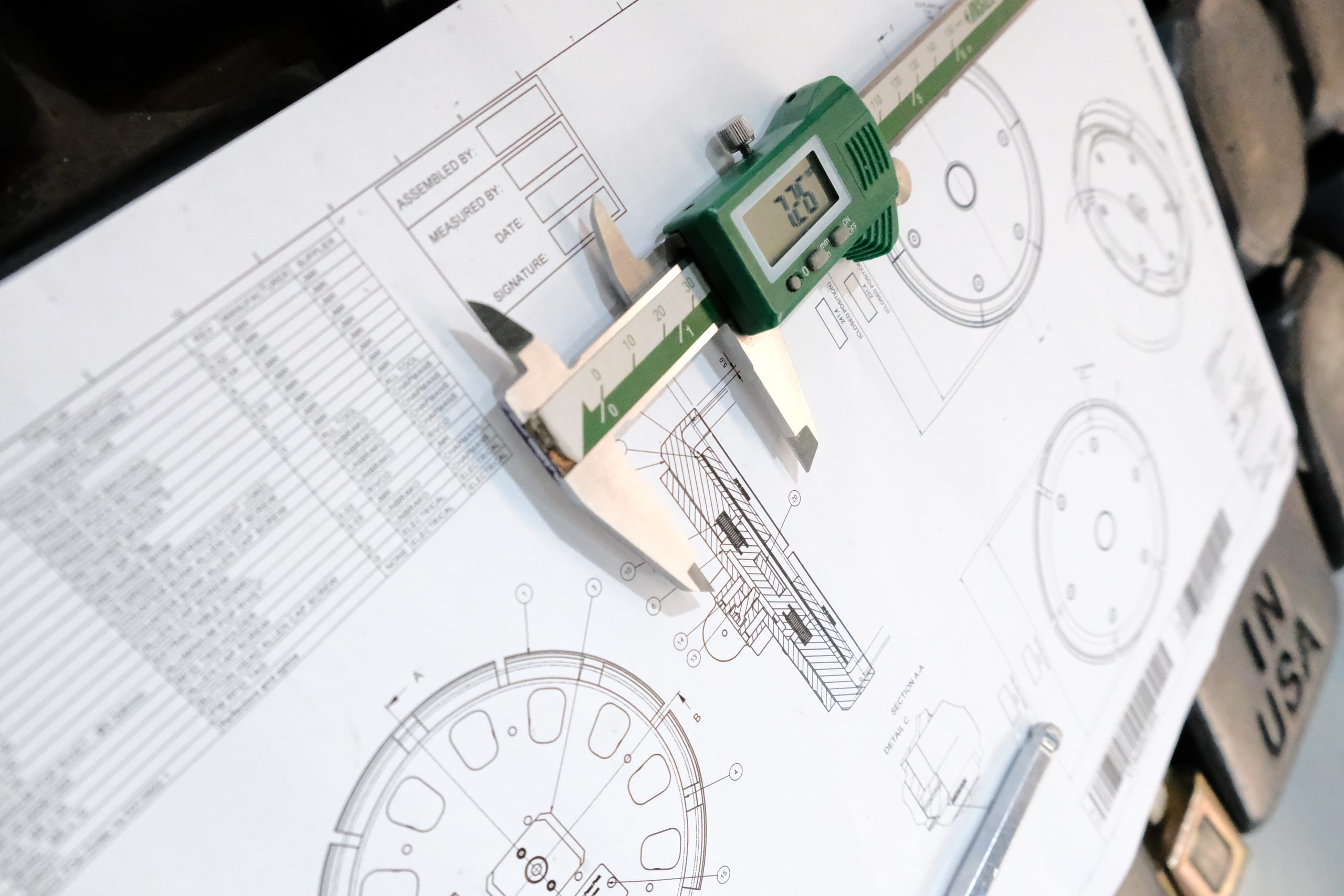
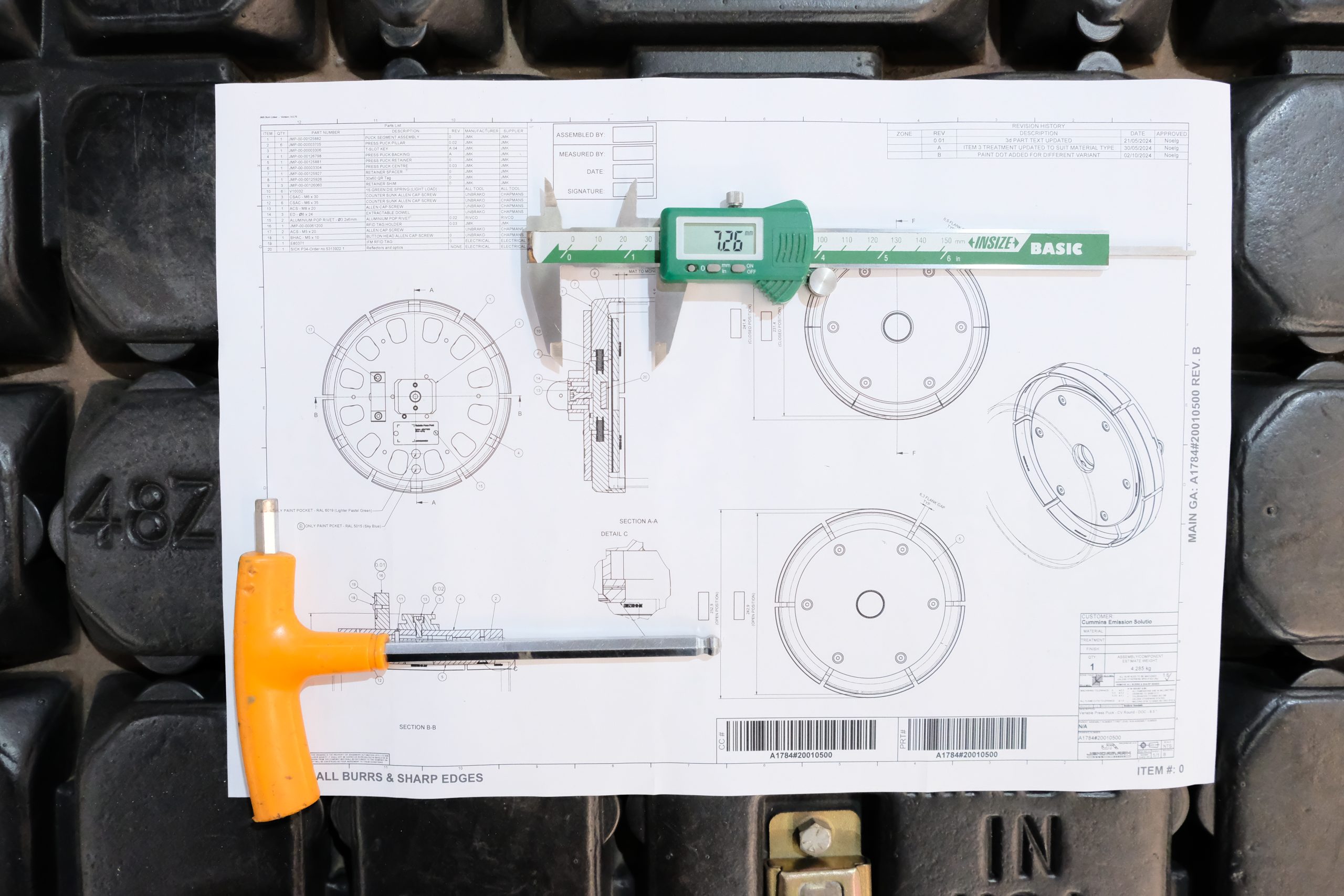
Our advanced gauging and measurement technologies can help you achieve higher levels of quality, efficiency, and productivity in your operations.
Specialised measuring methods include:
- Laser distance measurement
Accurate measurement of distances using laser technology - Laser displacement measurement
Precise measurement of surface displacement or deformation - Non-contact measurement
Measurement without physical contact, ideal for delicate or moving objects - Probe measurement
Contact-based measurement using probes for dimensional accuracy - Vision system measurement
Optical measurement using cameras and image processing for dimensional inspection and analysis
Industries:
- Manufacturing
Quality control, dimensional inspection, and process monitoring - Automotive
Assembly line inspection, component verification, and reverse engineering - Aerospace
Aircraft component inspection, dimensional verification, and tolerance analysis - Electronics
PCB inspection, component placement verification, and assembly line control - Research and development
Prototyping, material testing, and scientific experimentation
Benefits:
- Improved accuracy
Precise measurements for enhanced quality control - Increased efficiency
Faster inspection times and fewer errors - Enhanced productivity
Streamlined production processes and improved yields - Cost savings
Reduced scrap rates and rework costs
By using our precision gauging and runout measurement expertise, you can ensure the accuracy and reliability of your products.
Applications:
- Corner units
Measuring the runout of components on axle lines. - Pinion runout
Assessing the concentricity of a pinion gear. - Flange runout
Measuring the deviation of a flange face from a true plane. - Shaft runout
Evaluating the straightness and concentricity of a shaft.
Backlash Measurement
Backlash refers to the amount of play or clearance between two meshing gears or other moving parts. Accurate backlash measurement is crucial for ensuring proper operation, efficiency, and longevity of mechanical systems.
Why backlash measurement is important:
- Precision
Ensures that components fit together correctly and operate smoothly. - Efficiency
Reduces noise, vibration, and energy loss. - Durability
Prevents excessive wear and tear on moving parts.
Our specialised techniques include:
- 3-point measurement
This method involves measuring the backlash at three points along the gear mesh to obtain an average value. - Manual audit
A more traditional approach where backlash is measured manually using tools like feeler gauges or dial indicators. - Dynamic backlash measuring
This technique uses advanced equipment to measure backlash while the system is in motion, providing real-time data on clearance variations.
Applications:
- Automotive
Gearboxes, differentials, steering systems - Industrial machinery
Gear drives, gearboxes, machine tools - Aerospace
Aircraft components, landing gear - Robotics
Robotic arms, joint mechanisms
Gear Friction Measurement
Our expertise lies in measuring gear friction using specialised tools and techniques. By precisely measuring gear friction and applying appropriate torque, we help ensure the efficiency and reliability of your gear-driven components.
Services offered:
- Torque measurement
Accurately measure the torque required to rotate gears. - Pinion nut tightening
Apply the correct torque to securely tighten pinion nuts. - Preload application
We understand the impact of preload on torque and ensure optimal performance.
Applications:
- Differential assemblies
- Gearboxes
- Other gear-based systems
Torque To Turn
Gear friction and torque measurement is a critical aspect for ensuring optimal performance, efficiency, reliability and longevity in mechanical systems.
Our specialised techniques include:
- Torque to rotate
Measuring the torque required to rotate a gear or gear pair. - Pinion nut tightening
Assessing the torque applied to tighten the pinion nut, which affects gear meshing and performance. - Spinning and measuring torque
Determining the torque generated during gear rotation, providing insights into friction and efficiency.
Why is gear friction measurement important?
- Efficiency
Reduces energy loss and improves overall system performance. - Durability
Prevents excessive wear and tear on gear components. - Noise reduction
Minimises noise and vibration caused by friction. - Optimisation
Enables fine-tuning of gear design and operation.
Applications:
- Automotive
Gearboxes, differentials, steering systems - Industrial machinery
Gear drives, gearboxes, machine tools - Aerospace
Aircraft components, landing gear - Robotics
Robotic arms, joint mechanisms
Leak testing
We specialise in a variety of leak testing methods, including pressure decay tests.
Applications:
- Housing components
- End-of-line assemblies
- Post-welding inspection
- Weld integrity verification
- Component sealing checks
- Flaw detection
- Sample testing
Robotic sealant application
We specialise in robotic sealant applications, including :
- Dosing systems
- Glue dispensing
- Glue spraying
- Electric module sealing
- Gasket sealing for components like differentials and engine lines
Our robotic sealing capabilities cover a wide range of applications, such as spot sealing, bead sealing, structural sealing, and cosmetic sealing.
Process planning
We specialise in process planning, a critical aspect of manufacturing that involves analysing and optimising production processes. By leveraging our process planning expertise, you can streamline your production, reduce costs, and improve overall efficiency.
Our expertise includes:
- Cycle time optimisation
Reducing the time required to complete a process. - Bottleneck reduction
Identifying and addressing constraints that slow down production. - Line balancing
Ensuring a smooth flow of work through the production line. - Operator efficiency optimisation
Improving the productivity and effectiveness of your workforce. - Layout optimisation
Arranging equipment and workstations for maximum efficiency. - Cycle time calculation and assessment
Analysing and evaluating process times.
Traceability solutions
Our traceability solutions leverage advanced technologies like laser scanning, direct part marking, and barcode scanning to link data directly to components. This ensures complete traceability throughout the product lifecycle, allowing you to gain valuable insights into your operations, improve product quality, and meet regulatory requirements.
- Laser scanning
High-precision scanning for detailed component inspection and tracking. - Direct part marking
Permanent marking of part information directly onto the component. - Scanning
Efficiently capturing and storing data from barcodes, QR codes, and other markers. - Barcoding
Implementing barcode systems for easy identification and tracking. - Pin stamping
Applying permanent marks or identification numbers using pin stamping techniques. - Linking data to components
Connecting component data to relevant information, such as manufacturing records, quality control results, and maintenance history.
Auto and manual part handling
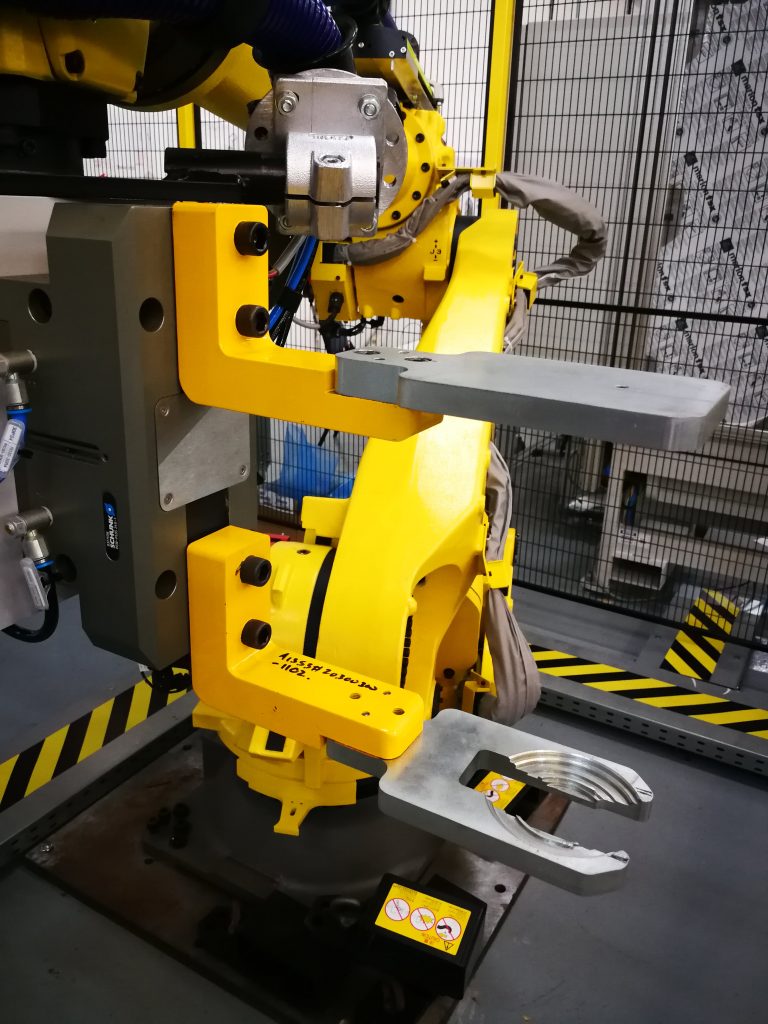
We specialise in a variety of part handling technologies, including:
- Grippers
- Manipulators
- Robots
- Gantry systems
- Lift assist devices
Applications:
- Assembly lines
Moving components from one station to another. - Material handling
Transporting raw materials, finished products, and work-in-progress. - Machine tending
Loading and unloading parts from machines. - Quality inspection
Handling parts for inspection and testing. - Welding and assembly
Holding and positioning parts for welding and assembly processes. - Packaging
Packaging finished products for shipment.
Build your next line with us
Contact us for component manufacturing and automation solutions. The future starts today.