Smart manufacturing does not have to start with new machines or a whole new production line. For many manufacturers, the faster and more financially viable path is to extend the life of existing assets, improve their efficiency and add intelligence where it matters.
It is entirely possible to get the benefits of digital transformation from a brownfield site, as Jendamark India CEO @Himanshu Jadhav explains.
Smart manufacturing does not have to start with new machines or a whole new production line. For many manufacturers, the faster and more financially viable path is to extend the life of existing assets, improve their efficiency and add intelligence where it matters.
It is entirely possible to get the benefits of digital transformation from a brownfield site, as Jendamark India CEO @Himanshu Jadhav explains.
At volume, some units will fail. What decides whether that becomes a bad quarter or the end of the business is not the failure itself. It is whether the manufacturer can produce evidence of how each unit was built.
The battery driven car and the battery driven house were developed by different industries, in different places, under different rules. They have now converged on almost the same product, and everything automotive learned about building one transfers directly. The battery may be different, the manufacturing discipline isn't.
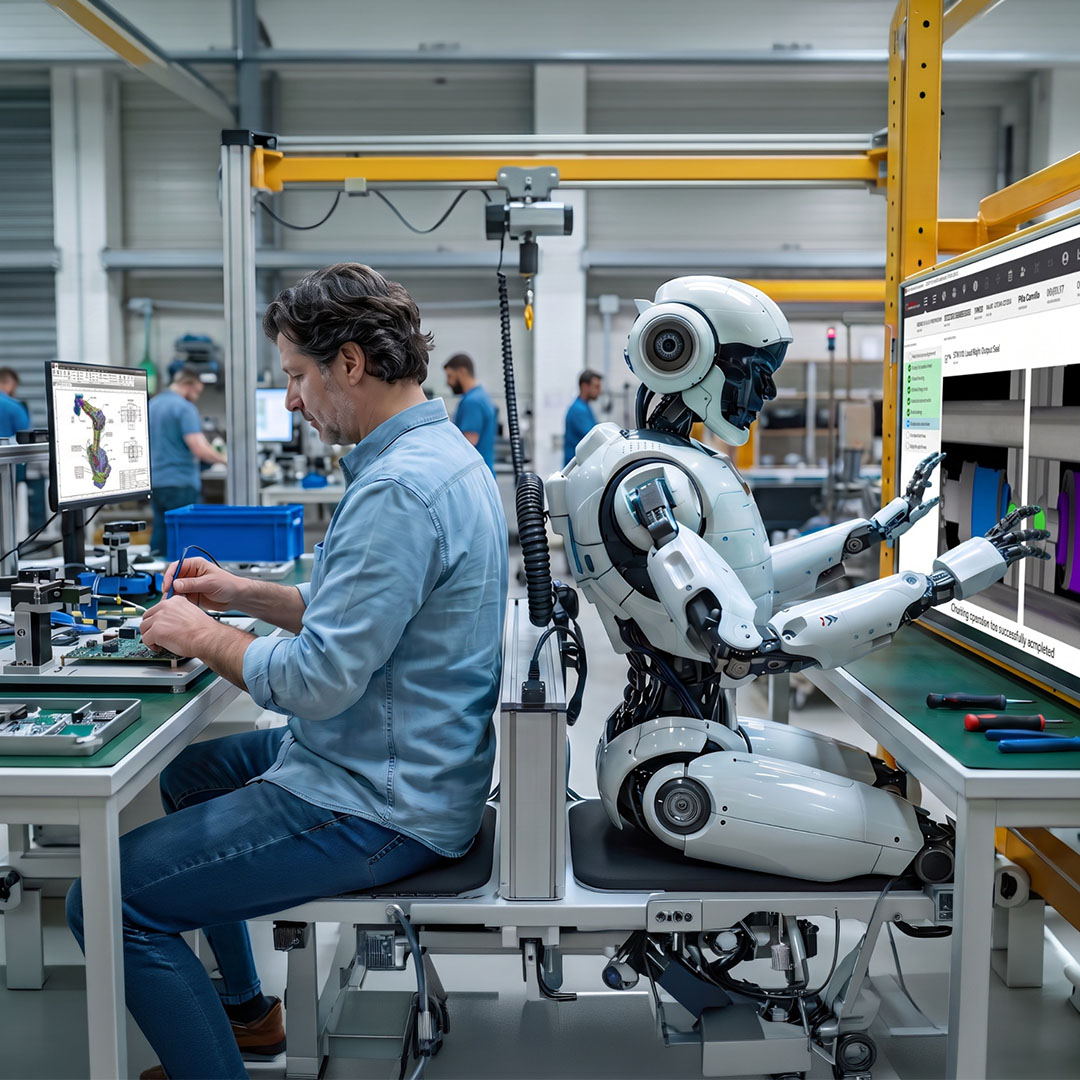
Every argument about putting humanoid robots in factories centres on whether the robot can do the job. But the real question is who tells the robot what to do and checks that it has completed the task correctly? Like any operator, they aren’t ready to roll from the start, which the business case for humanoids often ignores as a cost factor.
On a digitised assembly line, the guiding instruction layer already exists to assist who (or what) ever needs it. And, if this happens to be a robot, the instruction should remain agnostic to the brand standing at the station, explains Yanesh Naidoo.
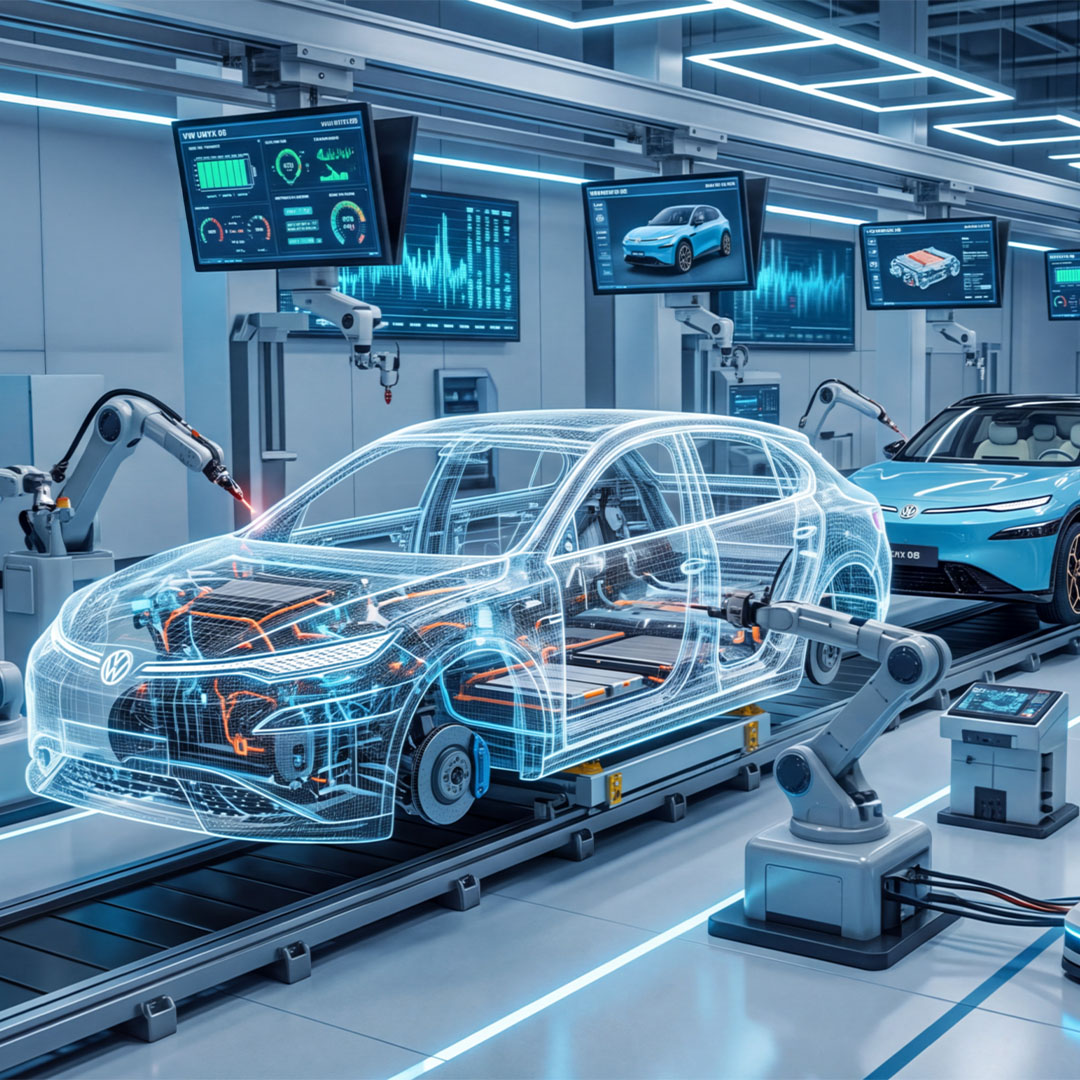
Volkswagen in China has halved its vehicle development time – from around 48 to 24 months. Following on from last month’s article, it’s another real-world example of an OEM rethinking its vehicles and being led by software-defined design.
A common misconception that we see in our business is the thinking that adding a monitoring layer – a live dashboard on top of a real assembly line – will fix all problems when it comes to the flow of production. But management are often unpleasantly surprised when their investment doesn’t deliver significant improvements in flexibility and performance over time.
We use cookies to personalize content, provide social media features, and analyze our traffic. We also share information about your use of our site with our analytics partners. You can change your preferences at any time. For more information, please see our Privacy Policy and Cookie Policy. Privacy Policy || Cookie Policy